
The Blended Approach to Nausea Relief
Why Your Essential Oil Mixture Matters
Nausea and vomiting, particularly after surgery (known as PONV), can be incredibly debilitating – often more distressing than the pain itself. While pharmaceutical antiemetics are essential, their side effects can be a limiting factor. This is why non-invasive, patient-controlled tools like inhalation aromatherapy are becoming a standard part of care.
For over 10 years and 2.5 million Aromatherapy Patches used in Patient Care, we’ve perfected our approach with the Q-Easy Aromatherapy Patch, focusing on two key pillars: Maximum Therapeutic Efficacy and Total Patient Safety (what we call Scent-Safe Blending).
1. The Strong Scientific Case for Ginger
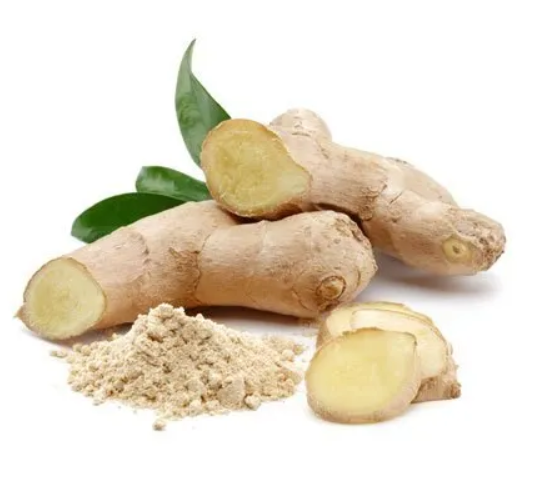 The research on ginger’s anti-nausea effects is extensive and compelling. A meta-analysis of multiple clinical trials found that ginger is safe and well-tolerated and significantly reduces the severity of postoperative nausea and vomiting (PONV). Furthermore, studies with doses of 1 gram or more have shown a clear reduction in both the overall incidence of PONV and the patient's need for additional pharmaceutical antiemetic drugs. In the hospital environment, this translates into clear benefits: the Q-Easy Patch consistently provides notable relief for about 50% of patients who use it, effectively helping minimize reliance on rescue nausea medications.
2. Formulating for Maximum Efficacy: The CO 2 Advantage
Our commitment to efficacy is why we use CO 2 -extracted ginger in the Q-Easy Patch. Ginger’s power comes from compounds like gingerols and their dehydrated counterparts, shogaols. When ginger is used in its dried form or extracted with CO 2 , the concentration of shogaols is maximized. Research indicates that shogaols are often the more potent players in blocking the brain and gut signals that cause nausea, such as the 5-HT3 receptors. By using this superior extraction method, we ensure the patch delivers the most potent natural antiemetic components available.
3. Protecting the Patient: The Critical Lesson of Scent Printing
This is the most crucial, yet often misunderstood, element of clinical aromatherapy. When a patient is severely nauseated, their sense of smell is hyper-sensitized. Suppose a single, strong essential oil (like pure Peppermint or Ginger) is used to treat that acute sickness. In that case, the patient’s brain can form a lifelong negative memory – a process we call scent printing (or conditioned taste/scent aversion). They permanently associate that specific aroma with the feeling of acute sickness. This can lead to that smell becoming a trigger for nausea or disgust for years to come.
The Blended Solution
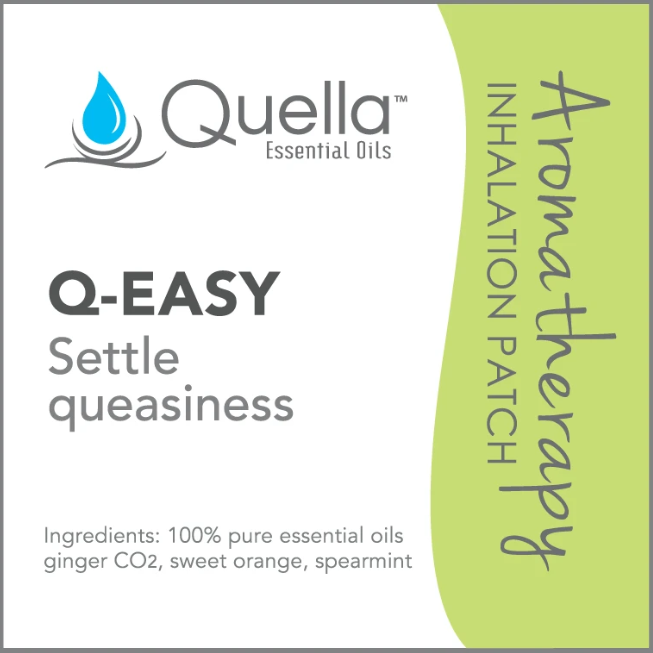 Our strategic use of Spearmint and Sweet Orange alongside our potent ginger is the solution:
Complementary Relief
Both Spearmint and Orange offer their own gentle, calming, and anti-nausea benefits, boosting the overall effect.
A Scent-Safe Profile
The combined aroma is complex and nuanced. This blend prevents the patients brain from associating their worst experience with a single, potent scent, preserving their relationship with these therapeutic oils and ensuring the Q-Easy Patch remains a cue for relief and comfort rather than illness.
To Sum it Up
The Q-Easy Aromatherapy Patch is designed to be a safe, effective, and psychologically sensitive tool, making non-drug nausea management a successful and sustainable practice in clinical care.
Stay connected with us for updates, success stories, and Aromatherapy musings!
Be a part of the culture shift - receive information about Aromatherapy in healthcare.
Don't worry, we don't send too much and your information will not be shared.
50% Complete
Two Step
Lorem ipsum dolor sit amet, consectetur adipiscing elit, sed do eiusmod tempor incididunt ut labore et dolore magna aliqua.